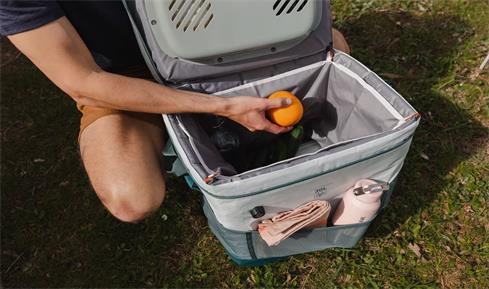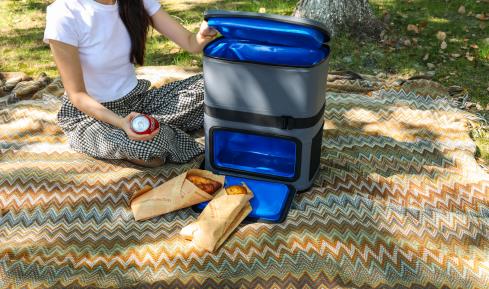
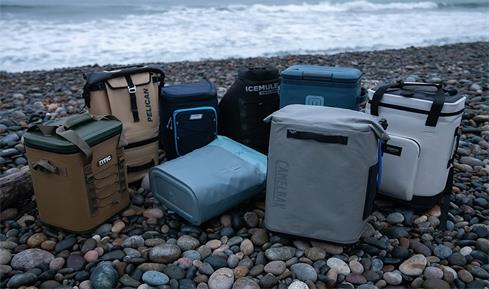
The material you choose for your custom cooler bags plays a key role in their durability and performance. It impacts the bag’s overall quality and usefulness, making it a valuable tool for clients. For outdoor events, corporate giveaways, or retail, select high-quality materials that reflect your brand.
Look for materials that are strong, well-insulated, and customizable. Want to learn more about choosing the right materials for your cooler bags? Keep reading to make the best choice for your business!
Various Cooler Bag Material Types
- Polyester
Polyester is a top choice for cooler bags due to its numerous benefits:
- Durability: Polyester’s strength resists wear and tear, making it ideal for outdoor use, ensuring the bag holds up even in tough conditions.
- Abrasion Resistance: Its resistance to abrasion helps maintain the bag’s appearance and performance, even with regular use.
- Low Maintenance: Polyester cooler bags are easy to clean with just a damp cloth, saving time and extending their lifespan.
- Lightweight and Strong: Despite being lightweight, polyester is strong, offering both portability and durability.
- Insulation-Friendly: It pairs well with materials like foam and PEVA, enhancing the bag’s insulation and keeping items cold longer.
In short, polyester offers strength, ease of use, and compatibility with insulation, making it an excellent choice for cooler bags.
- Nylon
Benefits of Nylon for Cooler Bags:
- Durable: Nylon is strong and wear-resistant, making cooler bags last longer.
- Water-Resistant: Keeps bags dry in wet conditions.
- Easy to Clean: Simple maintenance helps extend the bag’s lifespan.
- Lightweight & Strong: Easy to carry without compromising strength.
- High-Denier Fabric: Used by brands like Yeti for extra durability and damage resistance.
Nylon offers a reliable, long-lasting solution for cooler bags, ideal for outdoor adventures and easy maintenance.
Expert Insight: “Nylon strikes the perfect balance of durability, water resistance, and flexibility. Its lightweight yet tough nature makes it perfect for harsh environments, ensuring cooler bags last longer, even under tough conditions.”
- Canvas
Benefits of Canvas for Cooler Bags:
- Durable: Canvas is strong and built to last, making it ideal for daily use.
- Eco-friendly: A great option for brands focused on sustainability, canvas appeals to environmentally-conscious consumers.
- Good Insulation: Keeps items cool for longer, making it perfect for everyday use, though not as water-resistant as nylon or polyester.
- Customizable: Easy to personalize with embroidery, printing, and labels to create unique branded products.
Canvas offers a classic, eco-friendly choice for durable, insulated cooler bags that can be easily customized.
- Vinyl
Vinyl is a cost-effective option for budget-conscious consumers, offering the following benefits:
- Advantages:
- Affordable: Vinyl is cheaper than alternatives like nylon, making it a great choice for both manufacturers and consumers.
- Water-resistant: It keeps contents dry in wet conditions, making it ideal for rain or damp environments.
- Best for Short Trips: Vinyl is perfect for brief outings or short-term use.
- Drawbacks:
- Limited Breathability: Vinyl traps moisture, which can lead to quicker spoilage of food, especially on longer trips.
- Not Ideal for Long-Term Storage: Its poor airflow makes it unsuitable for extended use.
In summary, vinyl is great for budget-friendly, water-resistant cooler bags for short-term use, but it’s not recommended for long trips due to moisture buildup.
- PEVA (Polyethylene Vinyl Acetate) Lining
Benefits of PEVA Lining for Cooler Bags:
- Excellent Insulation: Keeps cold temperatures for longer, ideal for keeping food and drinks fresh.
- Easy to Clean: Smooth surfaces make it simple to wipe down, appealing to customers who prioritize hygiene.
- FDA-Approved: Food-grade and safe for storing food and drinks.
- Eco-Friendly: A more sustainable alternative to traditional vinyl, offering both performance and environmental benefits.
PEVA lining adds value to cooler bags, making them a great choice for eco-conscious and practical consumers.
Insulation Materials for Cooler Bags
1.Closed-Cell Foam Insulation
Closed-cell foam offers excellent cold retention and durability. It blocks air and moisture, keeping items colder for longer. Brands like YETI and Engel use it for its superior thermal performance.
- Benefits:
- Better Cold Retention: Keeps items cooler for longer periods.
- Durable: Made with tough materials for long-lasting performance.
- Higher Value: Provides a competitive edge with improved insulation.
Expert Opinion: “Closed-cell foam insulation enhances cooler bag performance, keeping contents at optimal temperatures longer. It’s a smart choice for businesses aiming to offer top-quality products.” — Mia Huang, Outdoor Bags Designer
2.Open-Cell Foam Insulation
Open-cell foam is lightweight and flexible but doesn’t retain cold as well as closed-cell foam.
- Benefits:
- Portable & Flexible: Easy to pack and carry.
- Leak-Proof: Resists sweating and leakage.
- Affordable: More cost-effective than closed-cell foam.
- Limitations:
- Lower Cold Retention: Air and moisture pass through, making it less effective for keeping items cold over time.
Conclusion: Closed-cell foam is ideal for high-performance cooler bags, offering better cold retention and durability. Open-cell foam is more affordable but less effective for long-term use. Choose the right material to enhance your cooler bag’s performance and boost your brand’s image.
For custom cooler bags, contact us [email protected] or visit https://www.everichoutdoor.com/