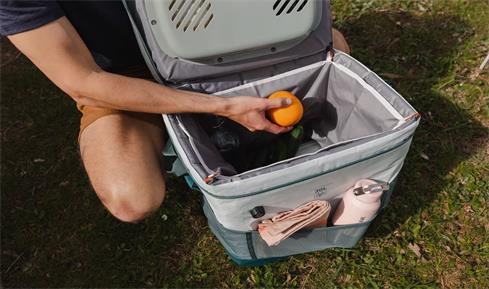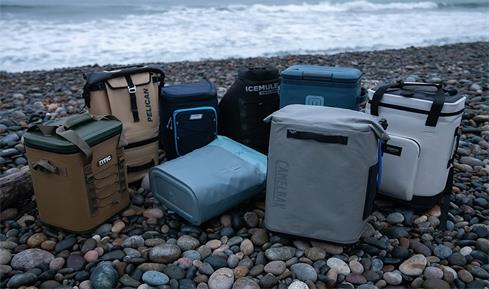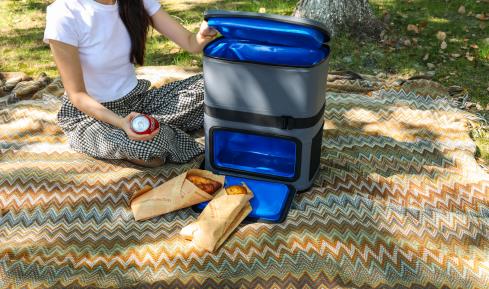
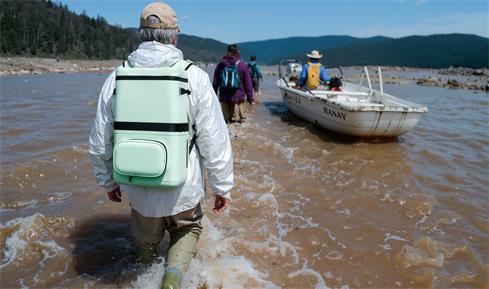
Cooler bags—also known as insulated bags or thermal bags—are designed to keep your food and drinks at the right temperature while you’re on the move. Compared with bulky hard coolers, they are lightweight, easy to carry, and stylish enough for daily use. From grocery runs to beach outings, cooler bags have become the go-to solution for keeping fresh food and chilled drinks within reach anytime.
What Makes a Cooler Bag Work?
The cooling performance of a cooler bag comes down to one key purpose: reducing heat transfer from outside to inside.
Heat tries to enter your cooler bag in three main ways:
- Conduction — heat passes through solid surfaces
→ Insulating foam slows down this heat movement. - Convection — warm air rushes in when the bag is opened
→ Zippers and compact interiors help minimize airflow. - Radiation — the sun warms the bag through energy waves
→ Reflective lining helps bounce heat away.
When a cooler bag is well-designed, every layer works to block one or more of these heat transfer paths—keeping everything cold for longer.
How Is a Cooler Bag Built?
A high-quality cooler bag is like a multi-layer shield:
- Outer Shell
Made from durable materials like nylon, polyester, or TPU to resist scratches, moisture, and UV exposure. It protects the insulation layer from damage. - Insulating Foam Layer
This is the heart of the cooling system. Closed-cell foam is filled with tiny air pockets that slow down heat penetration, allowing the inside to stay cooler for hours. - Inner Lining
Materials like PEVA or aluminum foil are leak-resistant, food-safe, and easy to clean. They also help control moisture and prevent bacteria growth. - Reflective Barrier
Often part of the inner material, this layer reflects heat radiation away—like putting sunglasses on your cooler bag.
Every component is chosen to create a lightweight but powerful insulation structure that performs well in everyday use.
Different Types of Cooler Bags
There is no single “best” cooler bag—only what best fits your purpose:
- Soft-Sided Cooler Bags
A popular choice for work lunches, day trips, shopping, or quick outdoor outings. They are foldable, stylish, and very portable. - Hard-Sided Coolers
Thicker insulation and longer cooling performance make them ideal for long camping trips or outdoor events, though they are heavier to carry. - Electric Coolers
Plug them into a vehicle power outlet for constant cooling during travel. Great for road trips, but less convenient for walking or daily carry. - Eco-Friendly Coolers
Made with sustainable or recycled materials for environmentally conscious users who still need solid cooling performance.
Choosing the right one depends on how long you need items to stay cold and where you plan to bring it.
Advanced Insulation Technology
Modern insulated bags are getting smarter. Some premium products may feature:
- Vacuum Insulation Panels — minimizing heat transfer for longer-lasting chill
- Phase Change Materials — maintaining a stable cold temperature over time
- Reusable Gel Ice Packs — boosting cooling performance and filling air gaps inside
These technologies help extend the cooling duration far beyond standard insulation.
What Affects Cooling Performance?
Even the best cooler bag needs the right usage to deliver maximum results. Cooling duration depends on:
- Outdoor temperature and sun exposure
- How full the bag is — a packed bag stays cold longer
- The thickness and quality of insulation
- How frequently you open the bag
A half-empty cooler bag warms up much faster because warm air fills the extra space.
Tips to Keep Cooler Bags Colder for Longer
To get the best performance, try these simple hacks:
- Pre-chill the bag before packing
- Add plenty of ice packs, ideally more ice than food
- Keep the bag shaded and away from direct sunlight
- Open only when necessary
- Fill empty spaces with cold drinks or towels to reduce airflow
Used properly, a cooler bag can keep food safe and drinks chilled for many hours.
Everyday Uses of Cooler Bags
The versatility of cooler bags is what makes them essential in daily life. People rely on them for:
- Fresh lunches at school or work
- Cold drinks for beach days and picnics
- Grocery shopping and transporting perishables
- Hydration during hiking or sports
- Snacks and drinks on road trips
- Safe food transport for catering or parties
Wherever food goes, a cooler bag comes in handy—simple as that.
Final Thoughts
Cooler bags are more than a casual accessory. They are built with smart materials and heat-blocking structures that make portable refrigeration possible. Whether you’re planning your next road adventure or packing meals for a busy weekday, a well-insulated cooler bag ensures your food and drinks stay perfectly fresh, anytime and anywhere.