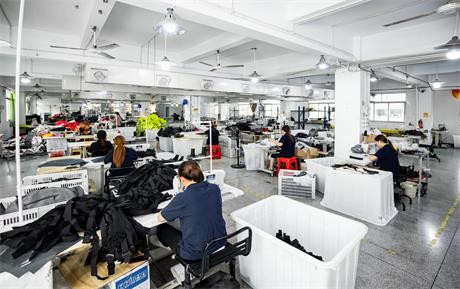
Bag manufacturing involves a wide spectrum of natural and synthetic bag materials, each chosen for its durability, weight, aesthetics, and cost. In today’s competitive market, understanding the right materials for bag manufacturing is essential not only for product performance but also for branding and sustainability. Leading companies like Everich Outdoor provide OEM and ODM solutions for high-quality bags and backpacks.
Leather in Bag Manufacturing
Variants: Full-grain, top-grain, split leather, PU (synthetic leather) Advantages: Extremely durable, luxury appeal, molds with use, supports embossing/branding. Challenges: Expensive, heavy, moisture-sensitive, requires skilled craftsmanship. Best For: Luxury handbags, executive briefcases, duffels, premium backpacks.
Leather has long been a premium choice in bag manufacturing. Genuine leather appeals to the luxury market, while PU leather offers a cost-effective and vegan-friendly alternative for brands seeking to produce stylish leather bags at scale. Many Everich Outdoor clients select leather materials for high-end custom bags.
Cotton Canvas for Sustainable Bag Production
Advantages: Breathable, strong, customizable, eco-friendly (especially organic cotton). Challenges: Not naturally waterproof, heavier than synthetics, may shrink/wrinkle. Best For: Tote bags, casual backpacks, grocery bags, beach bags.
Cotton canvas is popular in sustainable bag manufacturing, especially among brands promoting eco-friendly bags. Organic cotton canvas attracts environmentally conscious consumers while offering a durable yet natural look. Everich Outdoor supports canvas bag customization for both fashion and promotional purposes.
Polyester in Affordable Bag Manufacturing
Advantages: Affordable, lightweight, colorfast, wrinkle-resistant. Challenges: Non-biodegradable, less premium feel. Best For: School bags, sports bags, budget travel bags.
Polyester is widely used in bag manufacturing due to its affordability and performance. The introduction of rPET (recycled polyester) allows manufacturers to create durable eco-friendly bags from post-consumer PET bottles, combining function with sustainability. Everich Outdoor offers polyester bag production for bulk orders and custom designs.
Nylon for Outdoor and Tactical Bags
Advantages: Very strong, abrasion-resistant, water-resistant, lightweight. Challenges: UV-sensitive, pricier than polyester. Best For: Hiking backpacks, tactical gear, outdoor bags, waterproof pouches.
Nylon is a staple in outdoor bag manufacturing thanks to its strength and water resistance. Depending on the denier (210D–1000D), manufacturers can create lightweight daypacks or rugged nylon bags for heavy-duty use. Everich Outdoor specializes in high-performance nylon backpacks and tactical gear bags.
PVC & PU Coated Fabrics in Bag Manufacturing
Advantages: Waterproof, easy to clean, versatile finishes, affordable alternative to leather. Challenges: PVC is less eco-friendly, PU is lighter but less durable. Best For: Cooler bags, marine bags, protective covers, waterproof duffels.
These coated fabrics are often used in waterproof bags. They combine durability with cost-effectiveness, making them a popular option in large-scale bag manufacturing for outdoor and marine use. Many brands collaborate with Everich Outdoor for custom waterproof bag production.
Tarpaulin for Heavy-Duty Bag Production
Advantages: 100% waterproof, UV-resistant, highly tear-resistant. Challenges: Bulky, heavy, less flexible. Best For: Industrial tool bags, outdoor gear carriers, large equipment bags.
Tarpaulin is a high-performance material in bag manufacturing, favored for its durability in industrial and outdoor environments where waterproof bags are essential. Everich Outdoor can produce durable tarpaulin bags for commercial and promotional uses.
Neoprene in Protective Bag Design
Advantages: Flexible, shock-absorbent, heat/water resistant. Challenges: Limited breathability, heavier than fabrics. Best For: Laptop sleeves, sports gear, diving bags.
Neoprene is valued in bag manufacturing for its cushioning and protective properties, making it ideal for laptop sleeves, sports gear, and water sports applications. Everich Outdoor provides neoprene bag solutions for both functional and promotional purposes.
Jute & Burlap in Eco-Friendly Bag Manufacturing
Advantages: 100% natural, biodegradable, strong, rustic look. Challenges: Poor water resistance, coarse texture. Best For: Eco-friendly shopping totes, promotional bags, wine gift bags.
Jute and burlap are natural choices for eco-friendly bags. As sustainability trends grow, more brands are turning to biodegradable materials in sustainable bag manufacturing. Everich Outdoor supports custom jute bag production for marketing campaigns and eco-friendly product lines.
Specialty Technical Fabrics for Advanced Bag Manufacturing
Examples: Fireproof, smell-proof (activated carbon), reflective, reinforced mesh. Advantages: Niche performance benefits for specific applications. Challenges: Higher costs, limited fashion applications. Best For: Safety gear, adventure sports bags, functional hybrid designs.
Technical fabrics are transforming bag manufacturing, offering advanced solutions like fire resistance, odor control, and enhanced durability. They are especially important for specialized industries and performance-driven bag materials. Everich Outdoor can integrate technical fabrics into custom bag designs for specific client needs.
Conclusion: Choosing the Right Material for Bag Manufacturing
The future of bag manufacturing lies in balancing performance, cost, and sustainability. From premium leather bags to rugged nylon bags, biodegradable jute totes, or highly functional waterproof bags, every material offers unique advantages.
Manufacturers that adopt innovative bag materials and embrace sustainable bag manufacturing practices will be better positioned to meet the evolving demands of global consumers. Companies like Everich Outdoor provide OEM and ODM solutions, helping brands create high-quality, customized bags that align with lifestyle, sustainability, and brand values.